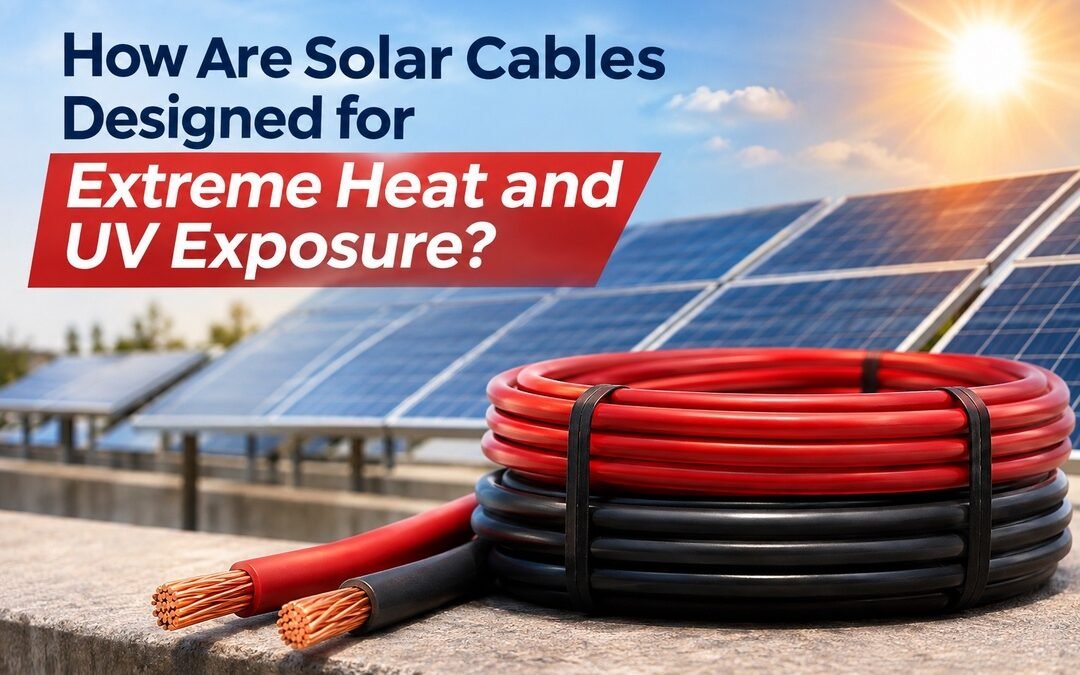
Solar power systems installed in regions with intense sunlight and high temperatures require cables that can withstand demanding environmental conditions. Continuous exposure to heat, ultraviolet (UV) radiation, and outdoor weather can gradually damage ordinary electrical cables, affecting their insulation and overall performance. This makes specialised solar cables an essential part of reliable photovoltaic installations. Reputed cable manufacturers in Dubai focus on material selection, insulation quality, and protective construction to ensure cables perform safely in challenging climates. Understanding how solar cables are designed for extreme heat and UV exposure helps installers and project developers make informed purchasing decisions. Acrab Cab recognises the importance of dependable cable solutions for electrical and renewable energy applications where durability and consistent performance are essential.
Heat-Resistant Materials That Protect Solar Cable Performance
Solar cables are manufactured using specialised insulation and sheathing materials that can tolerate elevated operating temperatures. Unlike ordinary cables, they are designed to handle prolonged exposure to sunlight and outdoor conditions.
Common material characteristics include:
- Cross-linked insulation: XLPO and other suitable cross-linked polymer compounds offer improved thermal resistance.
- Temperature stability: Materials are selected to maintain their electrical and mechanical properties within specified temperature limits.
- Protective outer sheathing: Durable jackets help protect internal conductors against environmental damage.
The right material combination reduces the risk of premature insulation deterioration and supports long-term cable reliability.
Advanced UV Protection for Long-Term Outdoor Installations
Ultraviolet radiation can gradually weaken cable insulation, causing discolouration, cracking, and reduced flexibility. Solar cables therefore require UV-resistant outer materials that can withstand continuous sunlight exposure.
Manufacturers use specially formulated compounds and conduct UV-resistance testing to evaluate cable durability. This protection is particularly important for rooftop solar panels, ground-mounted solar farms, and installations in open areas.
A reliable cable manufacturing company in UAE must consider regional climatic conditions while selecting materials and designing products for outdoor applications.
Construction Features That Improve Durability
Solar cable performance depends on more than just insulation. Its complete construction must support safe electrical transmission under changing environmental conditions.
Important design features include:
- High-quality copper conductors: Tinned copper conductors are commonly used in solar cables to improve corrosion resistance and electrical reliability.
- Flexible construction: Flexibility makes installation around solar panels and mounting structures easier.
- Abrasion resistance: Strong outer sheathing helps protect cables from rubbing against surfaces and installation-related wear.
- Electrical insulation: Proper insulation helps prevent leakage currents and short circuits.
These features make specialised solar cables suitable for demanding photovoltaic applications when selected according to the system requirements.
Testing Standards That Support Solar Cable Reliability
Quality testing helps determine whether solar cables can withstand heat, UV exposure, and other environmental stresses. Depending on the product and applicable requirements, testing may include:
Testing Parameter | Purpose |
Thermal ageing | Evaluates insulation performance after prolonged heat exposure |
UV resistance | Checks resistance to sunlight-related degradation |
Electrical testing | Verifies insulation and voltage withstand properties |
Flame testing | Assesses performance under specified fire conditions |
Mechanical testing | Evaluates flexibility and resistance to physical stress |
Buyers comparing cable manufacturing companies in UAE should check product certifications, technical datasheets, and compliance with relevant standards, such as EN 50618 for photovoltaic cables.
Choosing the Right Solar Cable Supplier in the UAE
Selecting a dependable supplier is important for maintaining the safety and efficiency of solar installations. Before purchasing, consider the following factors:
- Check the cable’s rated voltage and temperature range.
- Confirm UV and ozone resistance where required.
- Review conductor material and cross-sectional size.
- Verify applicable certifications and testing documentation.
- Ensure the cable is suitable for the intended installation environment.
Whether comparing power cable suppliers in UAE, electrical cable suppliers in UAE, or specialised cable suppliers in UAE, buyers should prioritise technical suitability, product quality, and consistent supply support.
Conclusion
Solar cables designed for extreme heat and UV exposure play an important role in maintaining the safety and reliability of photovoltaic systems. Heat-resistant insulation, UV-protective sheathing, durable conductors, and appropriate quality testing help these cables withstand demanding outdoor conditions. Choosing products that meet relevant standards is equally important for long-term performance. Acrab Cab understands the importance of dependable cable solutions and the role that quality manufacturing plays in modern electrical and renewable energy applications.
Looking for dependable cable solutions for your project? Connect with Acrab Cab to explore suitable cable products and discuss your electrical installation requirements.
Frequently Asked Questions
1. Why do solar cables need UV-resistant insulation?
Solar cables are regularly exposed to direct sunlight. UV-resistant insulation helps prevent cracking, brittleness, and premature deterioration, supporting safe electrical transmission and longer service life in outdoor solar installations.
2. Which materials are commonly used in solar cable insulation?
Solar cables commonly use cross-linked polymer materials such as XLPO. These materials offer suitable heat resistance, insulation properties, and durability for photovoltaic applications exposed to demanding outdoor conditions.
3. Can ordinary electrical cables be used for solar installations?
Ordinary electrical cables may not provide the required UV resistance, temperature tolerance, or environmental protection. Specialised photovoltaic cables should be selected according to the installation design and applicable standards.
4. Which standard applies to photovoltaic solar cables?
EN 50618 is a recognised European standard for photovoltaic cables. It specifies requirements for cable construction, electrical performance, and resistance to environmental conditions.
5. What should buyers check before selecting solar cable suppliers in UAE?
Buyers should evaluate cable specifications, conductor quality, temperature ratings, UV resistance, certifications, and technical documentation. Choosing a supplier with suitable product options and dependable support helps meet project requirements.